10 Years of Starbound : The Universe I’ll Never Leave Behind


There are very few games capable of becoming more than just games.
Most entertain us for a weekend before quietly fading into the ever-growing backlog of our Steam libraries. Others leave behind fond memories of a particularly memorable boss fight or a late-night multiplayer session with friends before they, too, eventually give way to the next release. Then there are the rare ones the games that somehow become intertwined with our lives. Years later, you don’t remember individual quests or achievements nearly as much as you remember where you were when you played them, who you played them with, and who you were during that chapter of your life.
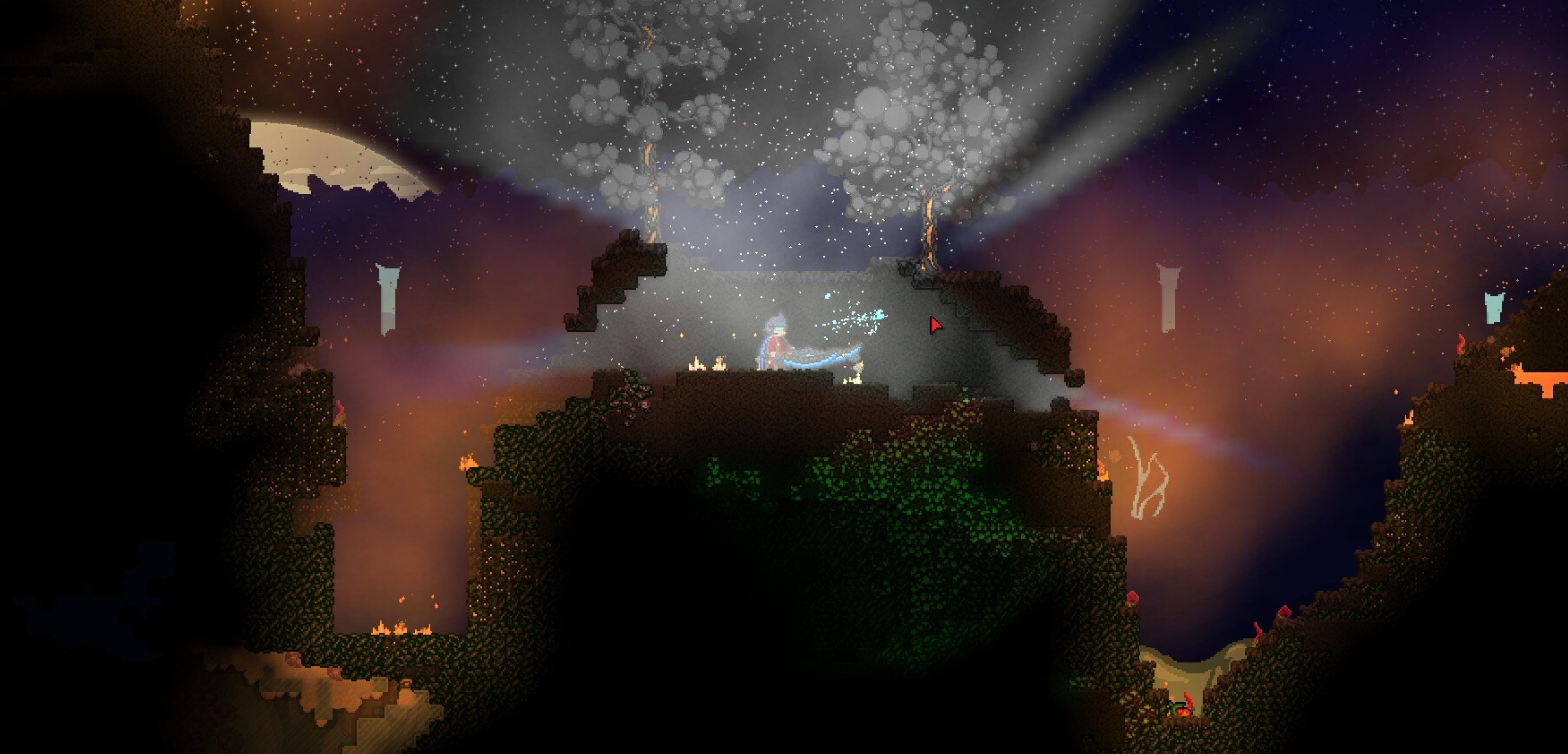
For me, Starbound has always been one of those games.
Today marks ten years since Starbound officially left Early Access and launched version 1.0. Ten years have passed since players around the world stepped aboard their tiny ships and set off toward an endless procedurally generated universe filled with alien civilizations, forgotten laboratories, lush forests, frozen moons, mysterious ruins and planets that, somehow, felt like they had been waiting just for you.

Looking back today, it’s difficult not to feel conflicted. Starbound never became the ever-evolving universe many of us imagined during its Early Access years. The game’s story after launch is one filled with missed opportunities, growing silence, and countless “what ifs.”
And yet…
Despite everything that happened afterward, I can’t bring myself to remember Starbound as a disappointment. Because before all of that, it gave me something few games ever have.
A second home.
A Universe Built on Possibility
To understand why Starbound mattered so much to so many people, it’s worth remembering the gaming landscape of the early 2010s.
Minecraft had already proven that players loved creating their own adventures. Terraria had shown how deep a two-dimensional sandbox could become. Procedural generation wasn’t a new concept anymore, but developers were only beginning to explore what it could really offer.
Then came Starbound.

Announced by Chucklefish in 2012 and led by former Terraria developer Finn “Tiy” Brice, the project immediately captured people’s imaginations. Instead of limiting players to a single procedurally generated world, Starbound proposed something far more ambitious: an entire procedurally generated universe.
Not dozens of planets.
Not hundreds.
Potentially millions.
Each with different gravity, weather, creatures, civilizations, resources, biomes and secrets waiting to be discovered. On paper, it almost sounded impossible but in practice, it sounded magical.
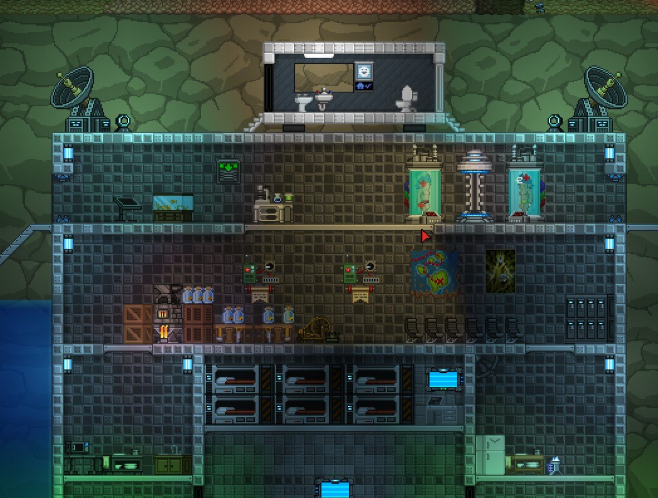
The premise itself was wonderfully simple. After your home planet is destroyed, your character escapes aboard a small spacecraft with nothing but basic equipment and a damaged Matter Manipulator. From there, you’re free to travel wherever your curiosity takes you.
No quest marker forces you in one direction. No invisible walls tell you where you’re allowed to explore. Your next destination is simply whichever star catches your eye.
That sense of freedom was intoxicating.
The Beta Years
When Starbound’s Beta finally launched in December 2013, excitement within the PC gaming community was difficult to overstate.
Servers filled immediately, Steam activity exploded. Forums became flooded with screenshots of bizarre planets, strange creatures and beautifully decorated ships.
Like many Early Access titles of that era, Starbound wasn’t finished. Not even close.
Entire systems were placeholders. Mechanics changed dramatically from update to update. Characters were frequently wiped as the developers rebuilt core systems. Combat evolved. World generation evolved. Crafting evolved.
Sometimes those changes frustrated players. More often, however, they created the feeling that everyone was participating in something larger than themselves.

Logging into Starbound wasn’t simply about playing a game, it felt like watching a universe being built in real time. Every update inspired new discussions and every patch notes page became required reading. People weren’t asking whether the game would receive another update, they were wondering what impossible feature would arrive next.
More Than Survival
Calling Starbound a survival game has never felt entirely accurate.
Yes, you mined resources.
Yes, you crafted better equipment.
Yes, you fought increasingly dangerous enemies.
But those mechanics were only tools. The real experience existed somewhere between exploration and imagination. One evening you might spend hours underground searching for titanium. The next, you might ignore progression entirely because you found a snowy planet that looked beautiful enough to become your permanent home. You weren’t punished for slowing down, in fact, Starbound quietly encouraged it.
Unlike many survival games that constantly pressure players toward optimization, Starbound celebrated curiosity. Every solar system represented another opportunity to discover something unexpected.
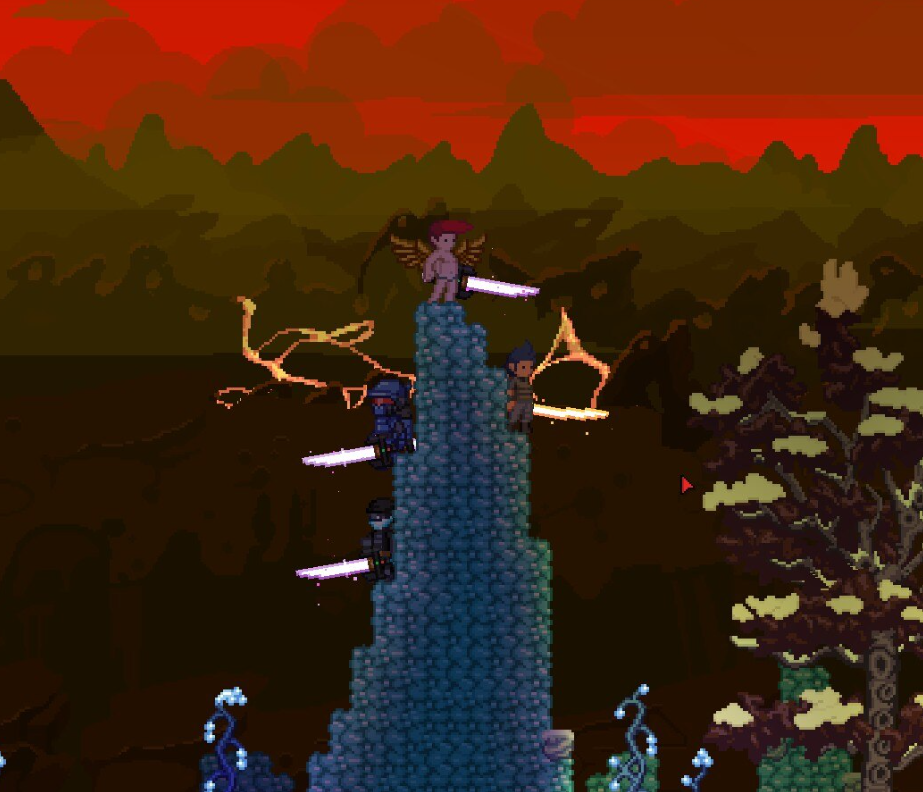
A tiny Floran hunting village hidden deep within a jungle. An abandoned Apex laboratory overtaken by monsters. A forgotten Avian temple towering above the clouds. An underwater Glitch settlement illuminated only by bioluminescent coral. Many of these discoveries weren’t mechanically important, but they were emotionally important. They made the universe feel inhabited.
The Music That Understood Silence
It’s impossible to talk about Starbound without talking about its soundtrack.
Curtis Schweitzer didn’t simply compose background music, he composed the atmosphere.
Many game soundtracks demand your attention with sweeping orchestras or memorable battle themes. Starbound rarely did. Instead, it understood something remarkably difficult. Silence.
Tracks like Atlas, Mira, and I Was the Sun (Before It Was Cool) never felt like they were trying to entertain you, they simply existed alongside you.
Whether you were walking through a rain-soaked forest, drifting through deep space, or watching the sun rise over an alien ocean, the soundtrack always seemed to know exactly how much it needed to say and, more importantly, when it needed to say nothing at all.
Few games have ever captured loneliness and wonder with such restraint. It wasn’t unusual to stop playing for a moment simply because a piece of music had started. Even years later, many Starbound players still recognize songs from the soundtrack within seconds.
A Community Full of Dreamers
Perhaps the most fascinating part of Starbound wasn’t the game itself, It was the people who believed in it.
During its Early Access years, Starbound attracted one of the most creative communities PC gaming had seen in years. Forums overflowed with elaborate base designs, race concepts, furniture collections, lore theories and ambitious suggestions for future updates.

Players weren’t simply consuming content, they were imagining the future alongside the developers. People discussed colonies that didn’t yet exist. Fishing systems that hadn’t been implemented. Vehicles that might one day roam alien landscapes. Entire civilizations players hoped would eventually become explorable.For a brief moment in gaming history, Starbound didn’t just feel like a finished product waiting to happen, it felt limitless.
By the time Starbound officially reached version 1.0 in July 2016, it had already become much more than another indie sandbox. For thousands of players, it was a place where creativity came first, where exploration mattered more than efficiency, and where the journey almost always felt more important than the destination.
For me, however, the real story of Starbound wasn’t written in patch notes or development blogs. It was written in the thousands of hours that followed. Because somewhere among those endless stars, that procedurally generated universe slowly stopped feeling procedural at all, it started feeling like home.
Home Among the Stars : 5000 Hours Later
If someone had told me back in 2013 that I would still be talking about Starbound more than a decade later, I probably would have laughed. If they had told me I would eventually accumulate over 5,000 hours, I wouldn’t have believed them.

Five thousand hours isn’t a number you reach because a game has an addictive progression system or a competitive ranked ladder. It’s not the kind of number that comes from chasing achievements or trying to squeeze every ounce of content out of a game. Games like Counter-Strike, Dota 2, or League of Legends often earn those kinds of numbers because they’re endlessly competitive. Every match is different, every opponent is different, and the desire to improve keeps pulling you back.

Starbound was different. I kept coming back because I simply wanted to spend another evening in that universe. People often talk about multiplayer games as if they’re measured by the amount of content they provide.
The best multiplayer games aren’t necessarily the ones with the most mechanics, they’re the ones that become a backdrop for unforgettable memories.
At one point, our server had more than ten friends playing together. Looking back now, I honestly don’t remember every boss we defeated or every planet we visited. What I remember are the little things. Logging in after work to discover someone had secretly built an entirely new wing onto our base overnight. Finding a chest labeled “Human Gene Samples.” Watching one friend disappear for hours because he’d become obsessed with decorating his own tiny house while everyone else was preparing for the next mission. Another would somehow return carrying furniture nobody had ever seen before, immediately sparking arguments over where it should go.

Without ever discussing it, our server slowly became a functioning little society. Everyone contributed in their own way.
Adventures That Were Never Planned
The best memories rarely came from the game’s story. They came from accidents. We’d land on a planet intending to gather a specific resource. Three hours later, we’d somehow be helping someone build an underground tavern because we’d discovered a collection of furniture that looked too good to ignore.

Sometimes we’d split into teams. Someone would announce they had found a village. Another had located an Apex laboratory. Someone else had discovered an underground ocean. Suddenly everyone would abandon whatever they were doing and rush across the universe just to see it. There was always this feeling that the next planet might contain something none of us had ever encountered before.
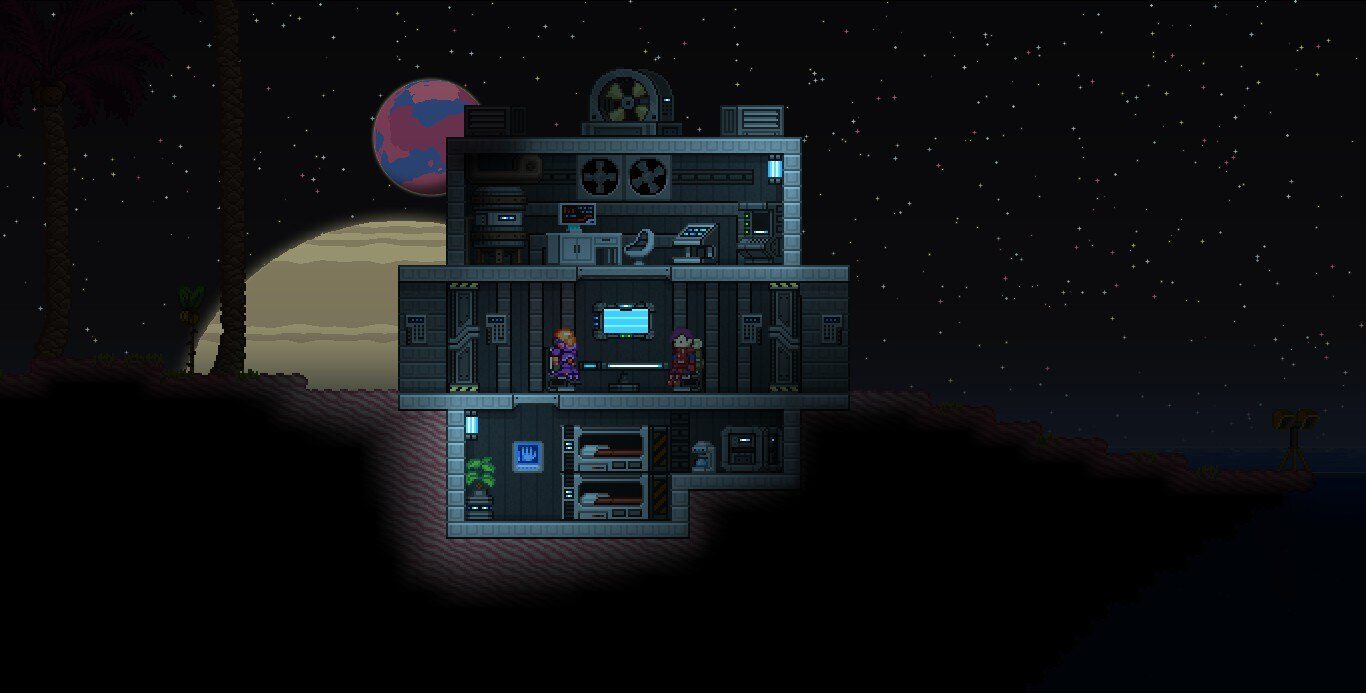
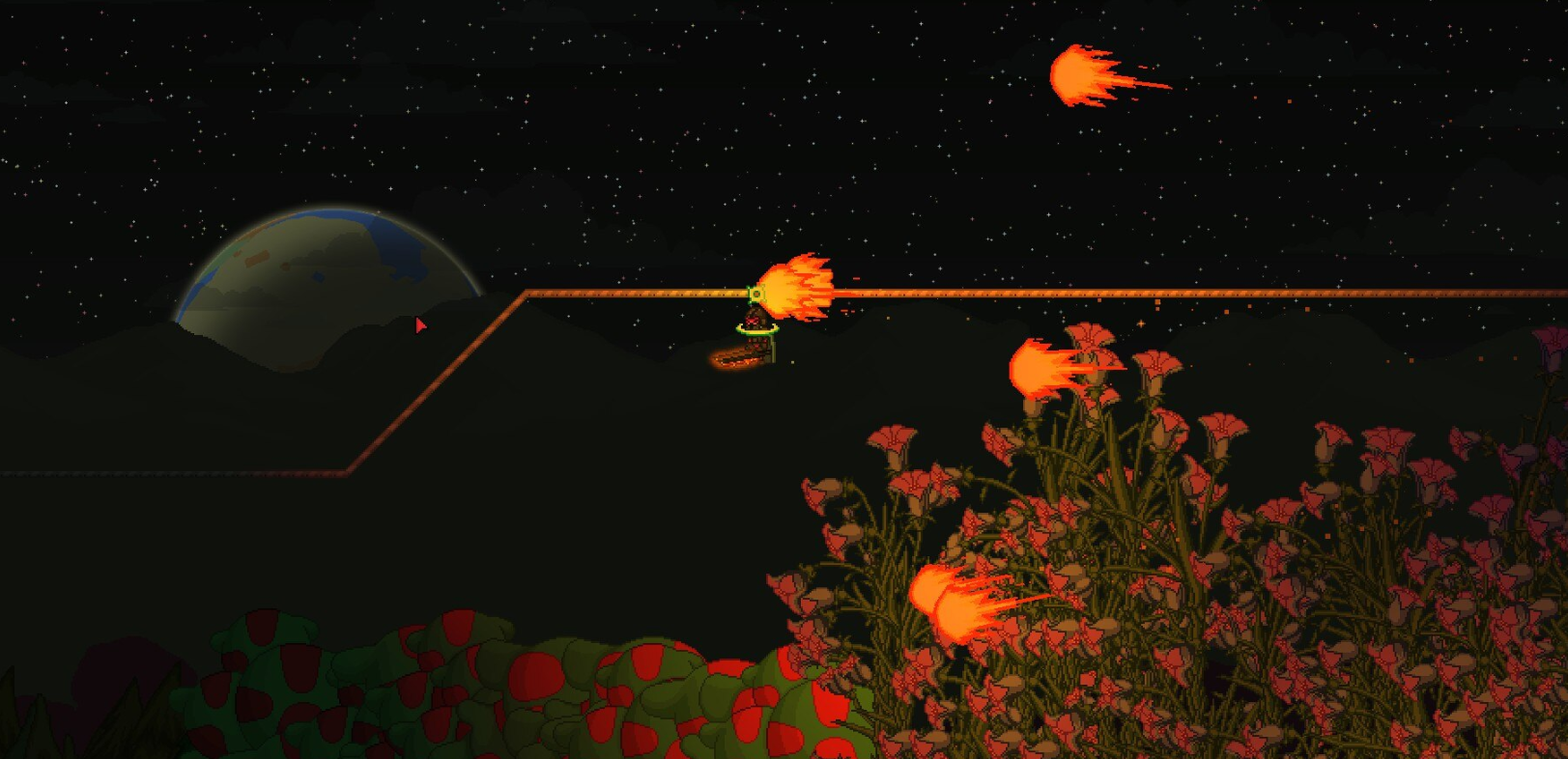
One particular story that we still laugh about is when we made a massive base in a beautiful, lush planet, only to discover and hour later that it rains meteorites in that planet. Everything we built for an hour straight was gone in 30 seconds.
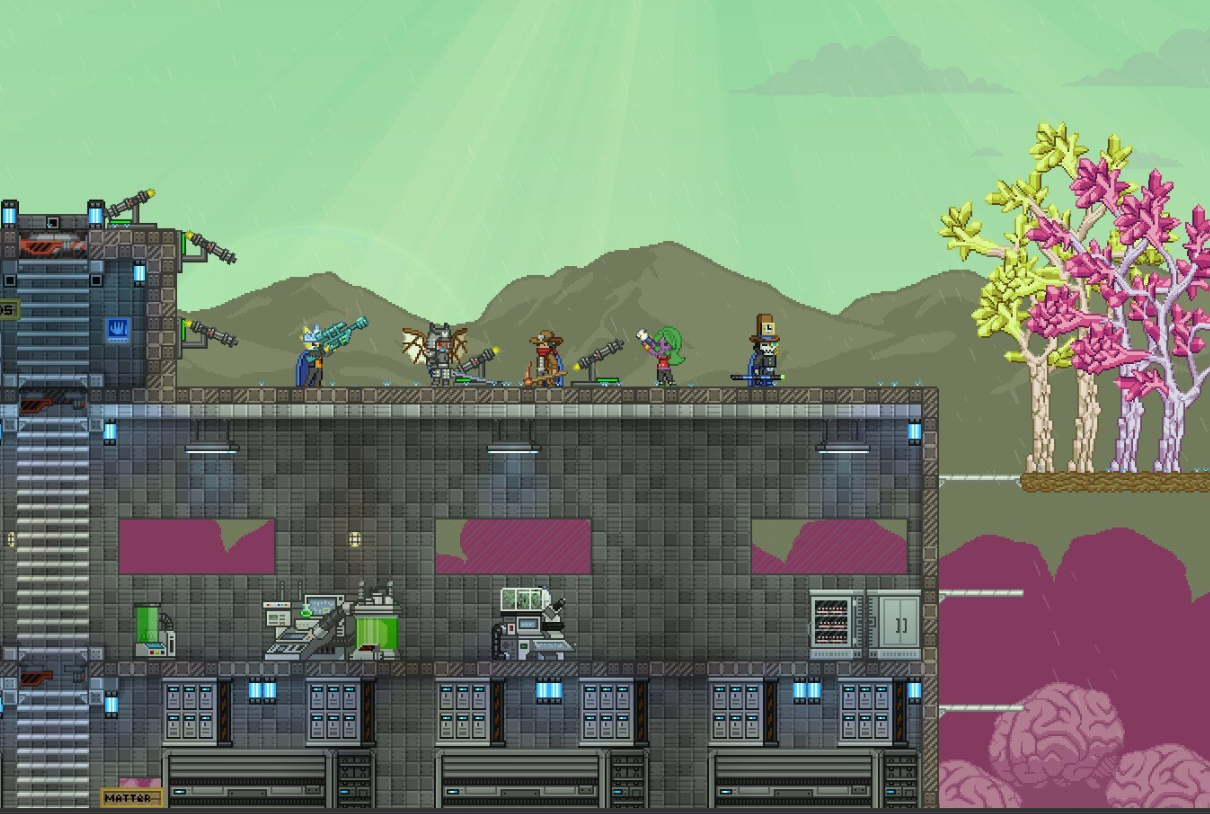
When Starbound introduced fishing, I made what seemed like a harmless decision.
“I’m going to catch every fish.”
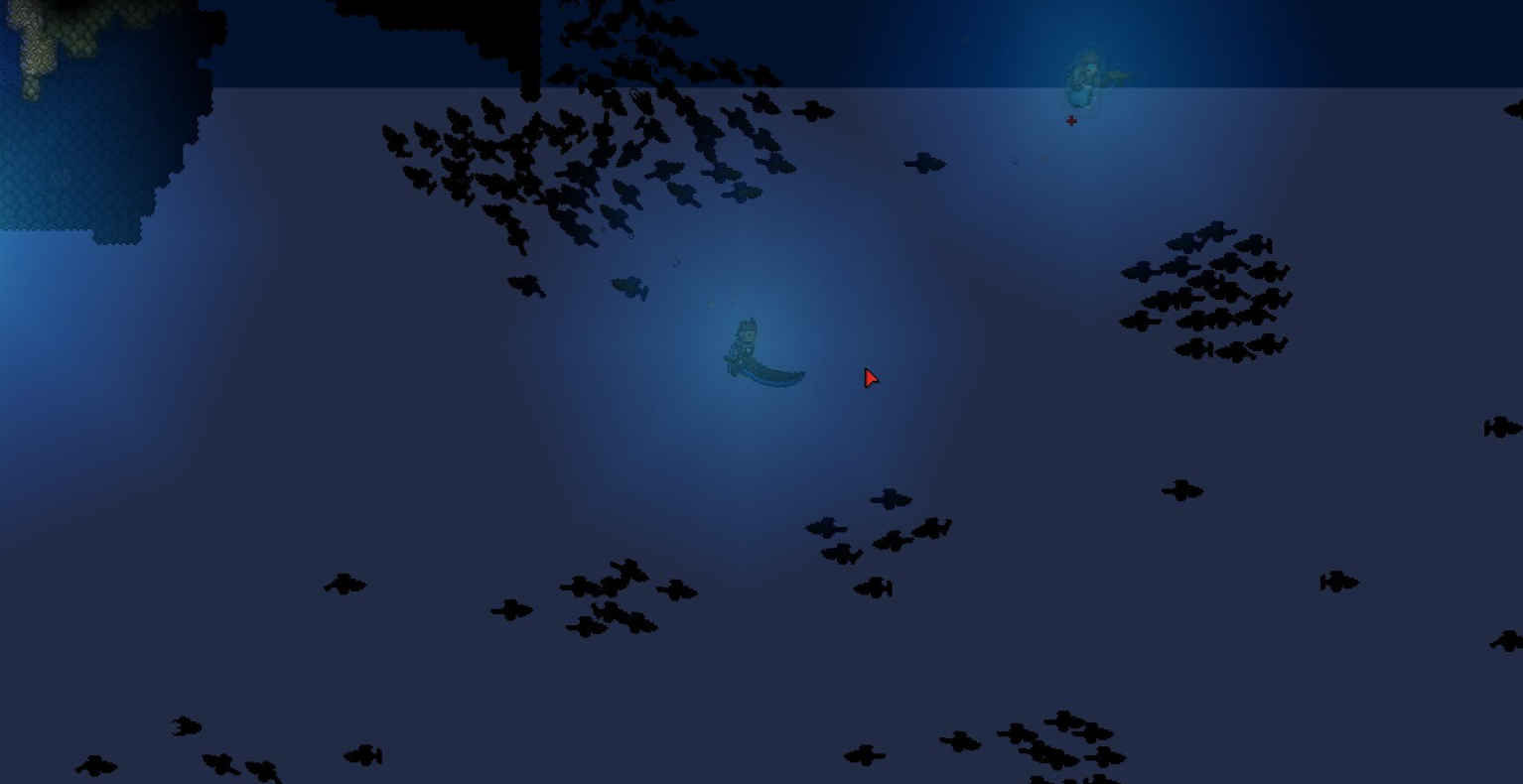
I had absolutely no idea what I was signing up for. At first, progress came quickly. New species appeared almost everywhere. each successful catch made me more determined to complete the collection. Then the duplicates started, one after another.
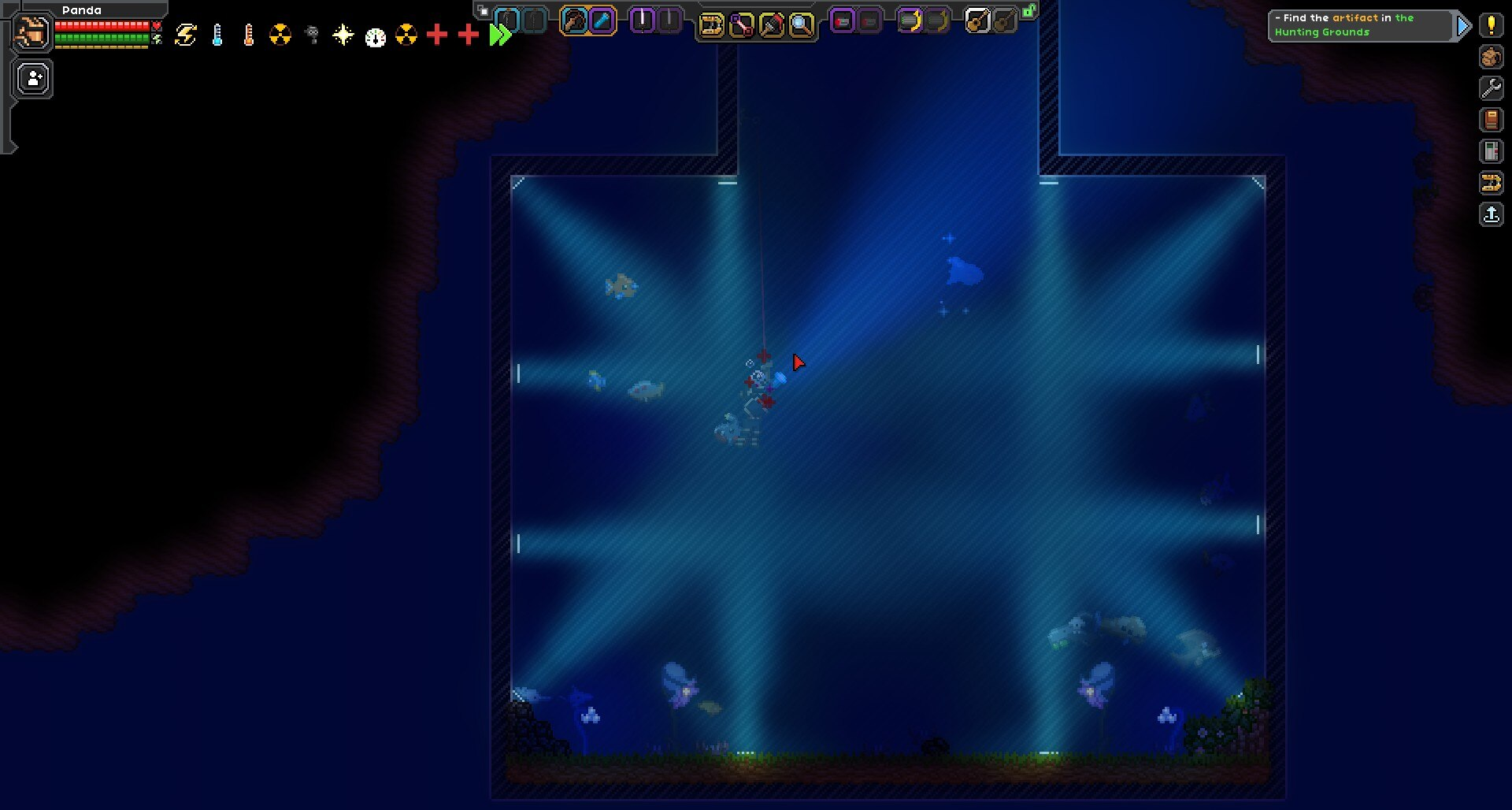
I began traveling across planets searching for different biomes, convinced the next one would finally contain whatever fish I was missing. Hours became days, days became weeks. I remember opening the collection menu more times than I could possibly count, staring at those final empty spaces as though somehow willing them into existence.
Eventually, after what felt like an eternity, I caught the final fish, a Variegated Breacher. I wish I could say there was an incredible reward waiting at the end but there wasn’t.
Quiet Evenings
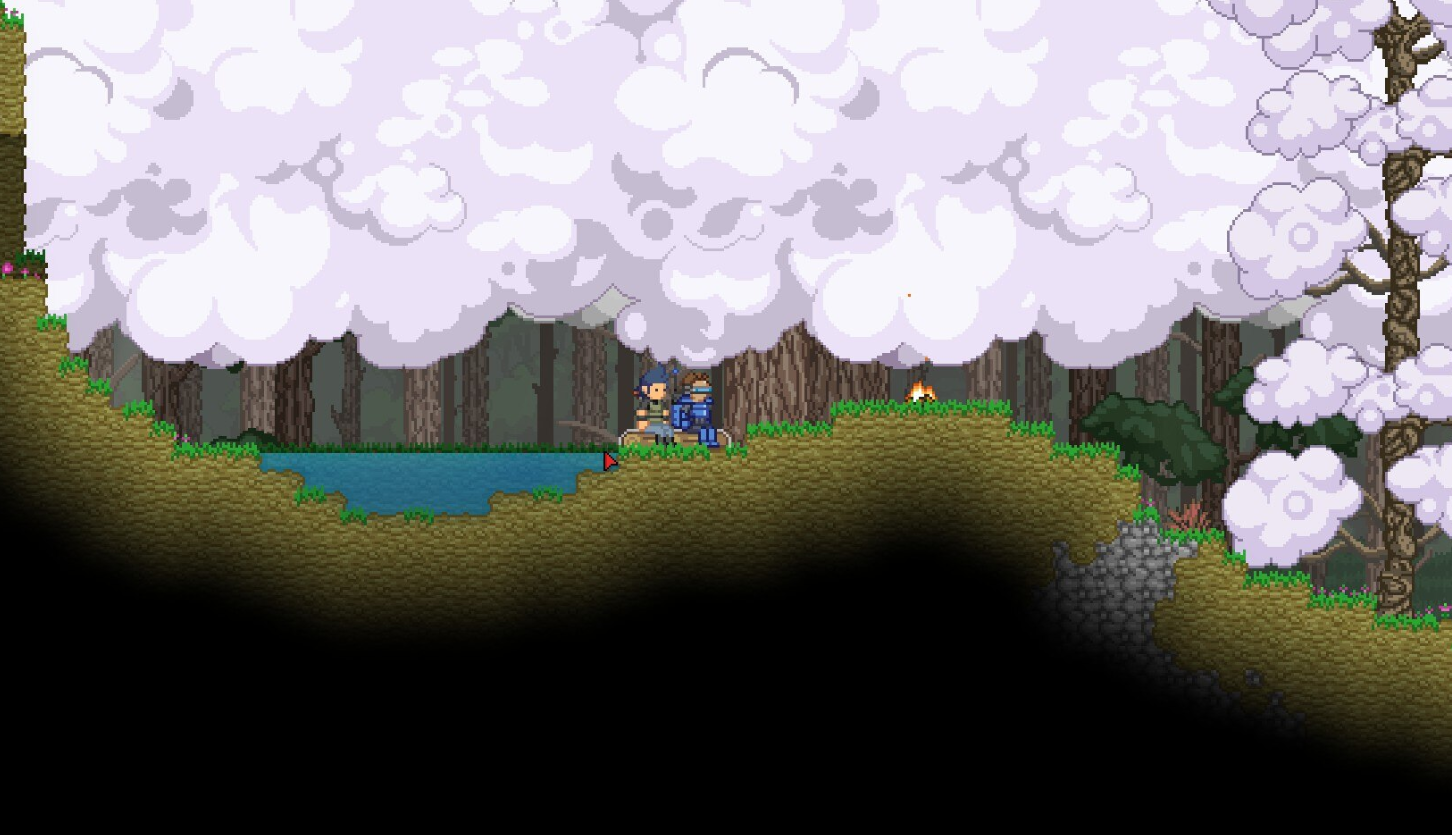
Ironically, some of my favorite memories of Starbound involve doing almost nothing at all. There were nights when everyone else had logged off, I’d beam down onto an ocean planet, find a comfortable stretch of beach, sit my character near the shoreline and simply…Listen.
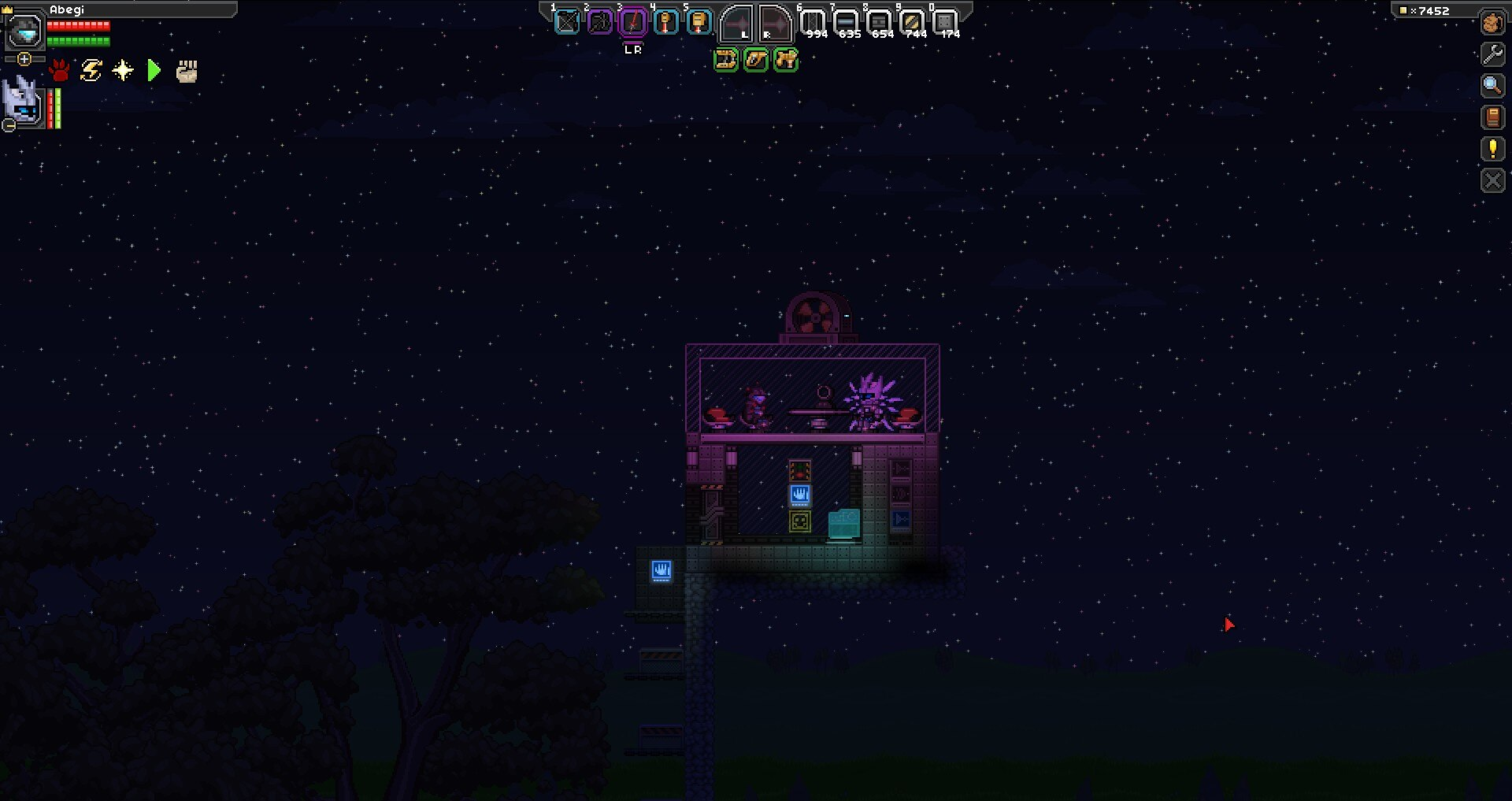
Curtis Schweitzer’s soundtrack would gently drift through my headphones while the waves rolled endlessly against the sand.
In a medium that so often celebrates constant action, explosions, progression, and urgency, Starbound somehow convinced me that doing absolutely nothing could be one of the most memorable experiences it had to offer.
The Universe That Could Have Been
For a long time, it genuinely felt as though Starbound’s story was only just beginning.
By the time version 1.0 finally arrived in July 2016, most of us weren’t celebrating what we believed to be the finished product, we were celebrating what felt like the foundation of something much larger. Three years of Early Access had conditioned the community to expect constant evolution. Entire mechanics had been redesigned from the ground up during development, new races and biomes continued to appear, colonies eventually found their way into the game, and every developer blog seemed to hint at another ambitious idea waiting somewhere beyond the horizon. There was an overwhelming sense that Starbound wasn’t a game that would simply receive bug fixes after launch; it was a universe that would continue expanding for years. Looking back now, I realize that many of us weren’t buying into a product, we were buying into a vision. We believed we were standing at the beginning of a journey rather than the end of one.
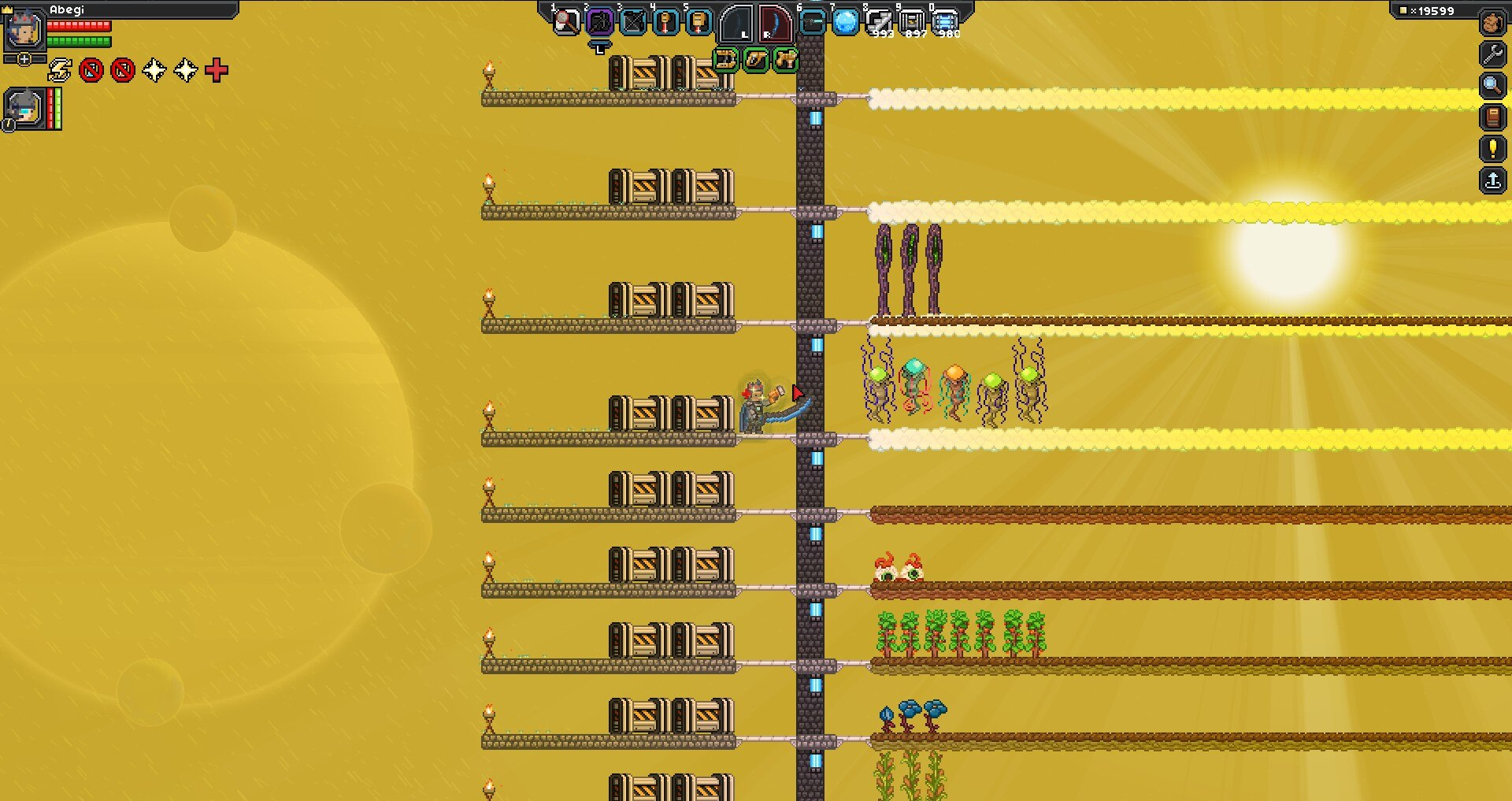
Perhaps that’s why what happened afterward hurt as much as it did.
There wasn’t one dramatic announcement declaring that Starbound had reached the end of its life. There wasn’t a farewell livestream, a heartfelt developer letter, or even a definitive moment where everyone collectively realized the adventure was over. Instead, official development seemed to fade almost imperceptibly. Updates became less frequent. Communication slowed. The conversations that once filled the community with excitement gradually shifted from discussing upcoming features to wondering whether another major update would ever arrive. At first, optimism remained remarkably strong. Every few months someone would notice activity on SteamDB, speculate about hidden development branches, or point toward a vague social media post as evidence that something significant was just around the corner. Entire Reddit threads would spring to life dissecting every tiny clue, convincing themselves and perhaps more importantly, convincing each other, that Starbound hadn’t been forgotten.
Months became years. Then years became nearly a decade.
Hope is a strange thing within gaming communities. It has a remarkable ability to survive long after logic suggests it should disappear. Anyone who has followed games like Half-Life, Hollow Knight: Silksong, or Bloodborne on PC knows exactly what that feels like. Every showcase becomes another opportunity to believe. Every rumor feels just believable enough to entertain. Every anniversary becomes another date circled on the calendar. Starbound’s community experienced something very similar. There was always another possibility, another theory, another reason why the silence wasn’t really silence at all. Eventually, however, the absence of updates stopped feeling temporary and began feeling permanent. Without anyone ever officially declaring it, Starbound slowly became one of those games people referred to in the past tense.

What makes that particularly difficult is that the game itself never stopped demonstrating how much potential it still possessed. Even today, loading into a fresh universe immediately reminds you why so many players fell in love with it in the first place. The procedural generation remains charming, the exploration loop is still relaxing, and there are moments when you’ll beam onto a planet, hear Curtis Schweitzer’s soundtrack gently begin to play, and forget entirely that the game hasn’t fundamentally changed in years. The core was never the problem. In many ways, Starbound always felt like a masterpiece waiting for its final layers of polish. It already excelled at making exploration meaningful and encouraging players to slow down, yet there was always the feeling that another system, another expansion, another chapter of development would elevate it from something wonderful into something truly legendary.
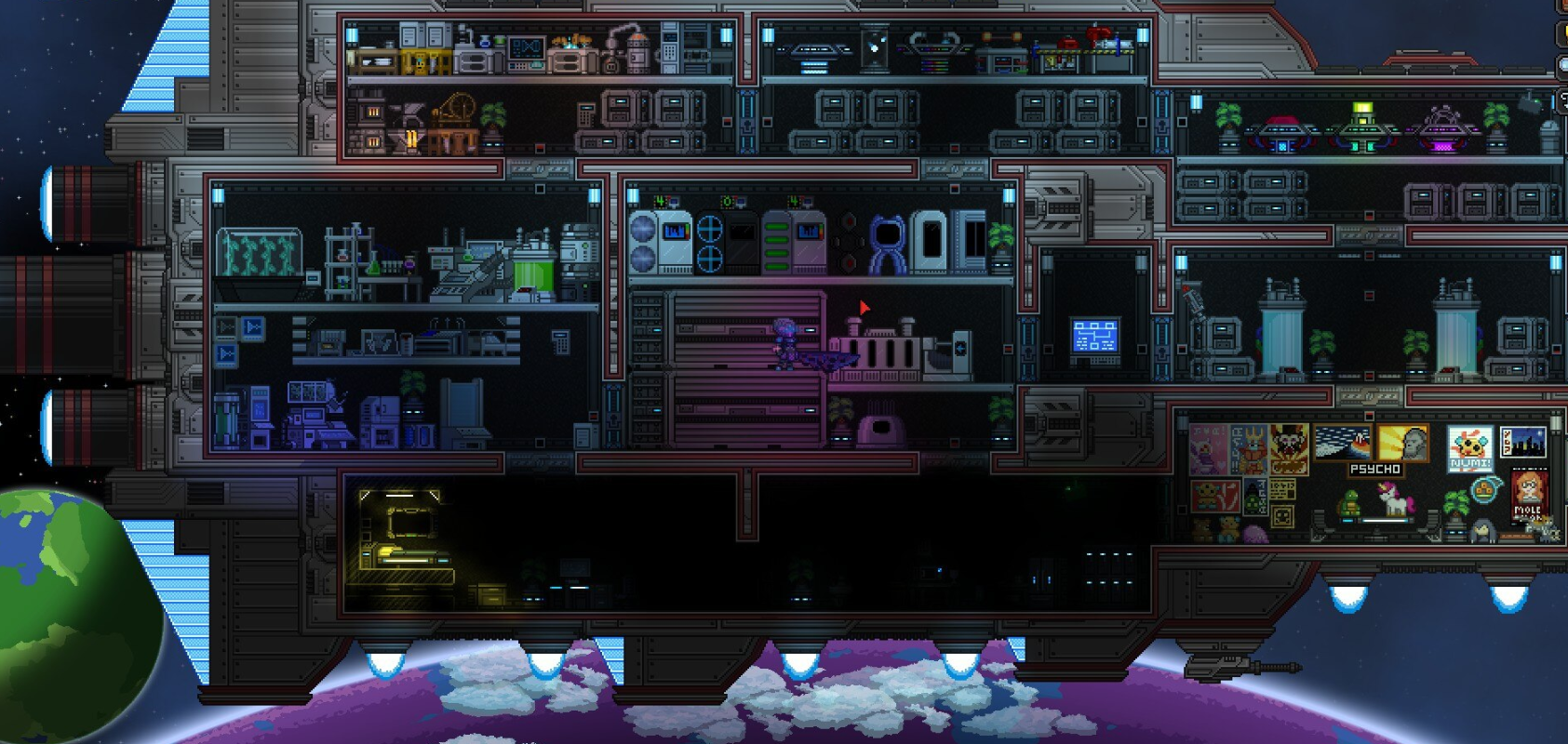
That feeling is probably the hardest part to explain to someone discovering Starbound for the first time today. New players often ask why older fans speak about the game with such complicated emotions. After all, if you purchase Starbound today, you’re still buying an enjoyable sandbox with hundreds of hours of content. It’s easy to wonder why longtime players seem almost melancholic when discussing it. The answer isn’t that Starbound became a bad game. Quite the opposite. The sadness comes from knowing just how much farther it could have gone. It’s similar to walking through an incredibly beautiful city only to discover that half the buildings were never finished. What already exists is impressive enough to inspire admiration, yet it’s impossible not to imagine what the skyline might have looked like if construction had continued.
Of course, any retrospective on Starbound would be incomplete without acknowledging the controversies that eventually surrounded Chucklefish. Over the years, the studio faced criticism regarding allegations from former contributors who claimed they had performed significant amounts of work during development without financial compensation, alongside growing frustration within the community over communication and the direction of ongoing support. Those discussions became inseparable from Starbound’s legacy, and while perspectives differ regarding the details and their broader implications, they undeniably changed the relationship many players had with the developers. For some, the disappointment stemmed primarily from the controversies themselves. For others, it was the growing realization that communication had become increasingly scarce just as the community was looking for reassurance about the game’s future. Regardless of where individuals stood, the atmosphere surrounding Starbound was no longer defined solely by excitement and creativity. It had become clouded by uncertainty.
Yet, despite everything, I find it surprisingly difficult to feel angry.
Perhaps I did at one point. Perhaps many of us did. It’s only natural to feel frustrated when something you deeply care about seems to fade away before realizing its full potential. But as the years have passed, frustration has gradually given way to something quieter. Disappointment, certainly, but also acceptance. Starbound no longer feels like a broken promise to me. Instead, it feels like an unfinished novel whose existing chapters I still revisit because they remain beautifully written. The ending may never arrive, but that doesn’t diminish the value of everything that came before it.
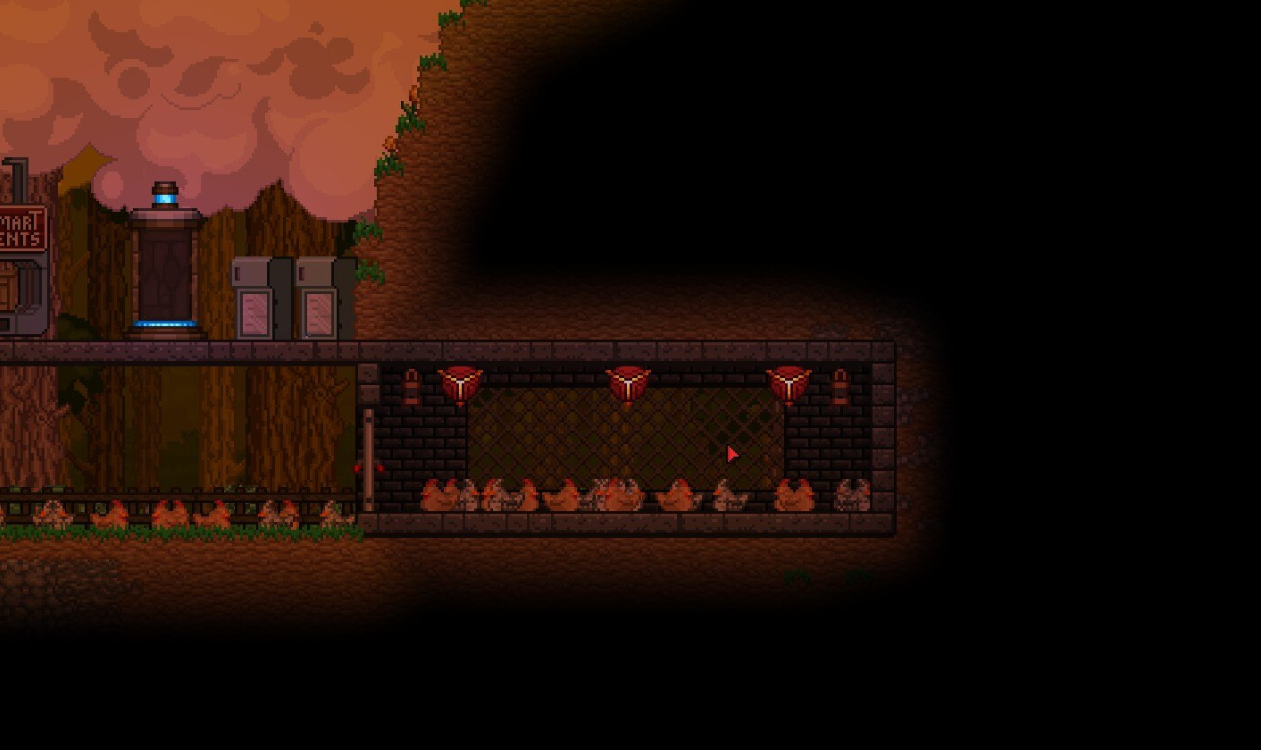
In some ways, I think Starbound’s greatest tragedy is also what ensured its lasting legacy. Had the game simply been mediocre, people would have forgotten about it years ago. Forgotten games don’t inspire lengthy retrospectives, passionate Reddit discussions, or decade-long debates about what might have been. Forgotten games don’t have players who still reinstall them every few years simply to walk through old bases. Forgotten games certainly don’t inspire people to spend over five thousand hours exploring procedurally generated planets before writing thousands of words about them ten years later.
No, Starbound is remembered precisely because it was extraordinary. Not perfect. Not complete. But extraordinary enough that an entire community still refuses to stop imagining the universe that might have existed if history had unfolded just a little differently.
Looking Back at the Stars
Ten years is a long time.
Long enough for entire console generations to come and go. Long enough for children who watched their older siblings play Starbound to become adults themselves. Long enough for friendships to drift apart, careers to begin, families to grow, and for the routines of everyday life to slowly replace the seemingly endless free evenings that once felt impossible to imagine losing. Time has a remarkable way of changing everything around us while quietly convincing us that nothing has really changed at all. It isn’t until we revisit an old place—whether physical or digital—that we realize how much of ourselves we’ve left behind there.
Every few months, almost out of habit, I find myself clicking the familiar “Play” button on Steam. Not because there’s a new update waiting for me. Not because a friend has asked me to jump back into our old server. And certainly not because I’m planning to start a brand-new playthrough. I launch Starbound for a much simpler reason, I just want to go home.

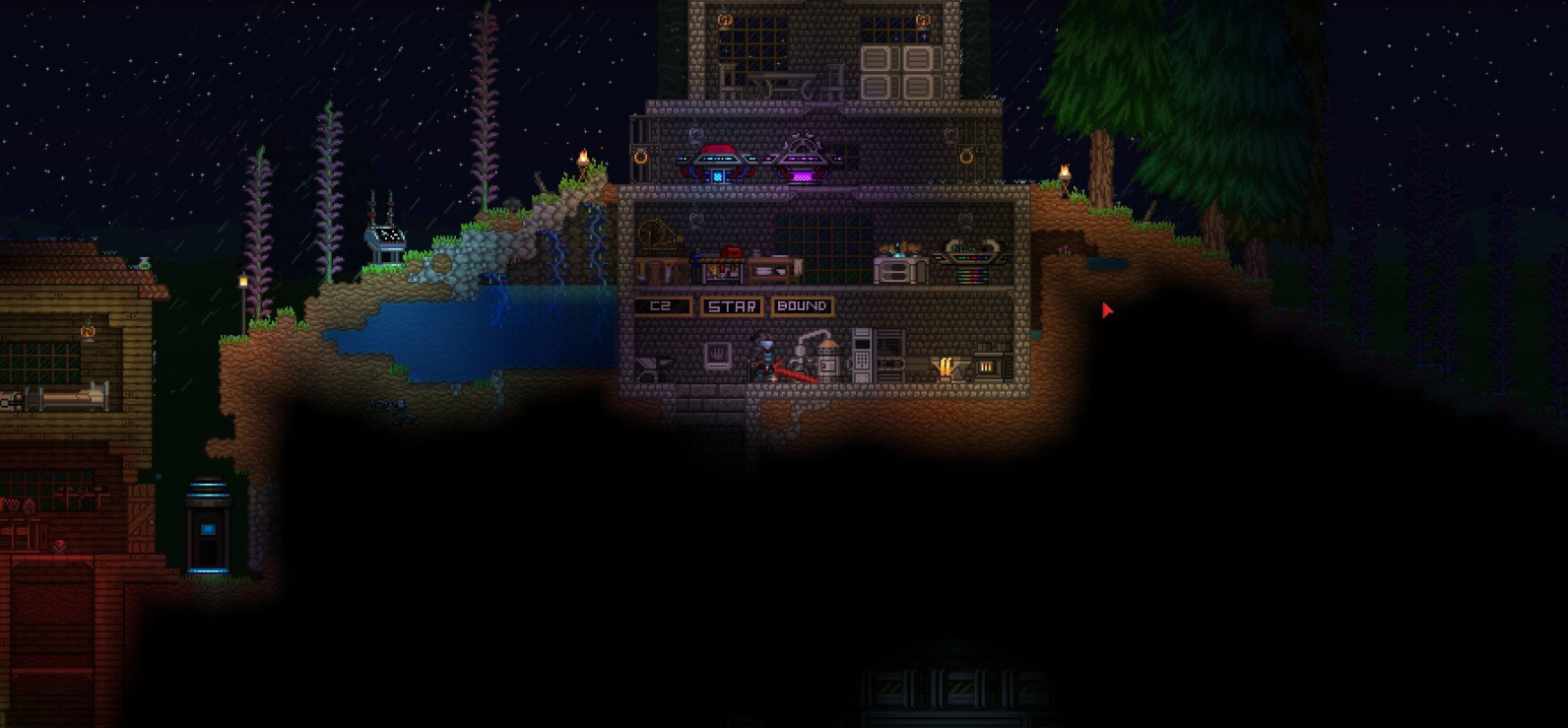
Within a few minutes, my character materializes aboard the same ship that has been carrying them through the stars for years. The controls return almost immediately, as though muscle memory had simply been waiting for the opportunity to wake up again. I beam down to my home planet, walk through streets that haven’t changed in years, and open storage chests whose contents I could probably recite from memory. Every room tells a story I had completely forgotten until I stepped inside it again. A trophy collected from a boss that once felt impossible. Furniture painstakingly gathered from half a dozen planets because it matched the aesthetic of one particular room. Crops that have been waiting patiently for a harvest that never came. Aquariums filled with fish that took weeks to collect. None of it has changed, I have.
Perhaps that’s why nostalgia can feel so overwhelming. We often think we’re revisiting old games, but in reality we’re revisiting old versions of ourselves. Starbound has remained almost exactly as I left it. The person exploring that universe, however, has changed in countless ways. Responsibilities have replaced endless weekends. Friends who once logged in every evening now have careers, families, or simply different interests. Some of the people I shared those adventures with I barely speak to anymore, not because anything happened, but because that’s simply how life unfolds. There was never a final expedition or a conscious decision to stop playing together. One day someone missed a session, then another, and before long our once-bustling universe had grown quiet without any of us noticing exactly when it happened.
It’s funny how online games preserve moments that real life can’t.
Our base still exists exactly as it did on the day we last logged off together. The rooms are still furnished, the signs are still hanging on the walls, and the countless little decisions we made over hundreds of hours remain frozen in time. Unlike photographs, which capture only a single moment, a game world captures an entire way of living. Walking through those corridors today feels less like revisiting a save file and more like exploring an abandoned hometown. You remember who lived in each room. You remember the conversations that happened while building each section. You remember why one hallway is unnecessarily long because someone accidentally mined too far before the rest of us noticed. Those memories aren’t stored in screenshots; they’re embedded into the world itself.

For all of Starbound’s shortcomings and there are certainly many that deserve criticism I don’t think any of them have ever managed to erase what the game gave me. It’s easy to measure games by review scores, concurrent player counts, or sales figures. Those are useful metrics for the industry, but they’re terrible metrics for measuring personal impact. If someone asked me to list the objectively greatest games ever made, Starbound probably wouldn’t make the top ten. But if they asked me which game has meant the most to me personally, I wouldn’t need to think about the answer.
Earlier this week, as the tenth anniversary approached, I caught myself falling into the same trap that countless other longtime fans probably did. Deep down, despite knowing better, I allowed myself to wonder if maybe Chucklefish had one last surprise waiting for us. Maybe there would be a remastered edition. Maybe a sequel. Maybe a substantial content update that would reignite the universe after years of silence. Gaming has conditioned us to expect anniversary announcements, flashy trailers, and dramatic reveals, and for a brief moment I let myself indulge in that familiar feeling of cautious optimism.
Instead, the celebration arrived in a much quieter form.
A 10th Anniversary Original Soundtrack vinyl.
Objectively speaking, it’s a modest commemorative release. It isn’t new content, it isn’t the long-awaited return of development, and it certainly isn’t the announcement many members of the community had secretly hoped for. Yet after sitting with the news for a while, I found it strangely appropriate. If Starbound was going to celebrate anything after all these years, perhaps the soundtrack was the most fitting choice imaginable.

Curtis Schweitzer’s music was never merely accompaniment; it was the emotional language of the universe itself. Long after I had forgotten crafting recipes, weapon statistics, or quest objectives, I could still recognize the opening notes of tracks like Atlas or Mira almost instantly. The soundtrack had quietly become inseparable from the memories attached to it. There were countless evenings when I would leave my character sitting beside an ocean on some distant planet while the waves rolled gently onto the shore, allowing the music to fill the room as I browsed the internet, chatted with friends, or simply unwound after a long day. More than once, exhaustion caught up with me before I ever logged out, and I would wake up hours later with Starbound still running, my character patiently watching the sunrise over an alien sea. Looking back, those moments probably say more about why I loved the game than any review ever could.
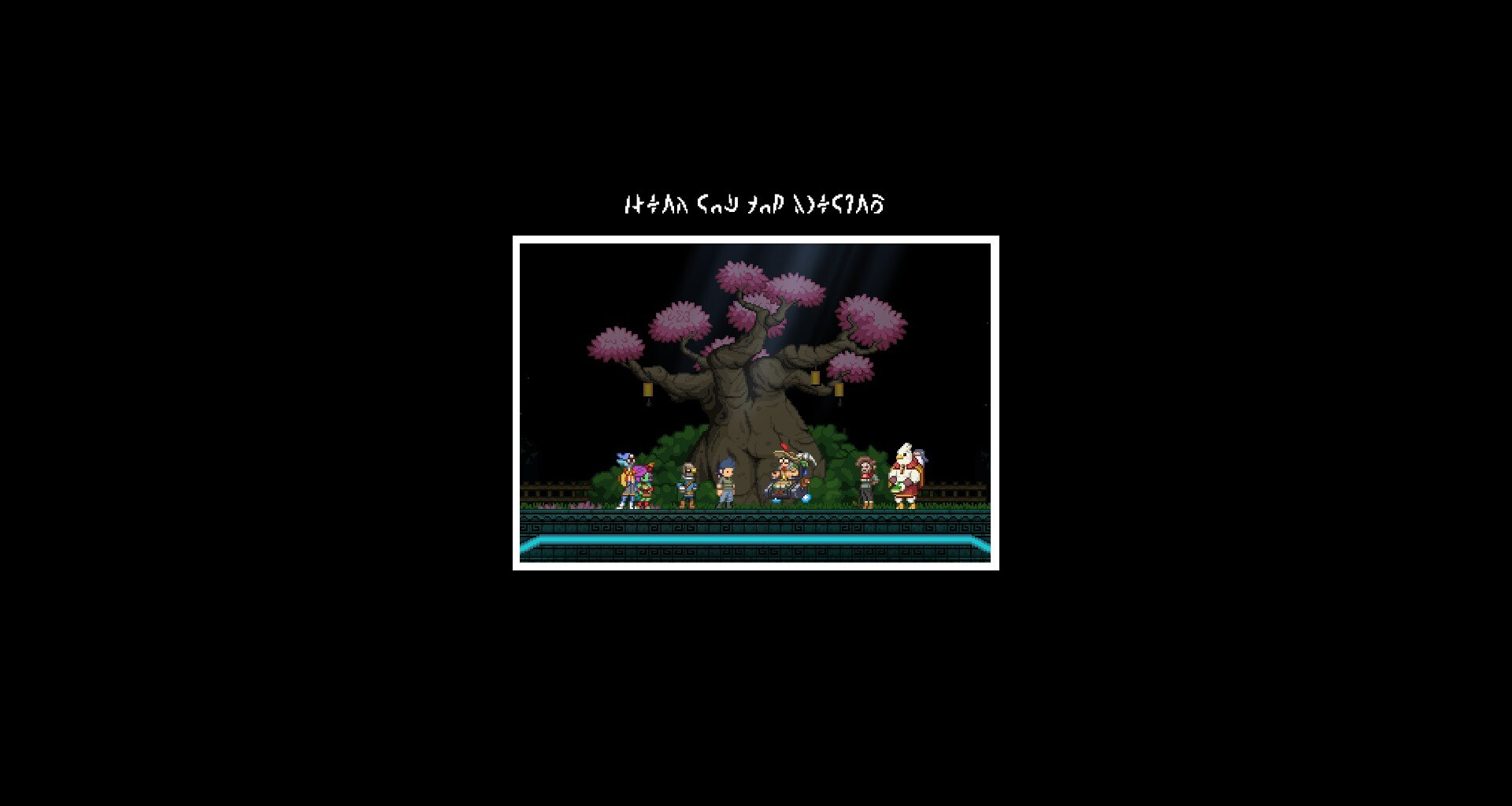
As I finished writing this article, I found myself staring at my Steam library once again. Hundreds of games now occupy that list, many of them technically larger, better designed, or more polished than Starbound ever was. Some have offered grander stories. Others have provided deeper gameplay systems or more impressive worlds. Yet somehow, whenever I think about the game that shaped me the most as a player, my mind always drifts back to a tiny spaceship orbiting an unfamiliar star, a base built alongside friends who have long since moved on with their lives, and a quiet ocean where a lone character sat listening to music beneath an endless sky.
Happy 10th Anniversary, Starbound.
Thank you for the adventures, the friendships, the music, and the memories. Even if the stars have grown a little quieter over the years, they’ll always feel like home.
About Me

Chesung Subba
Author/Writer
Hello, I'm Chesung Subba, a passionate writer who loves sharing ideas, stories, and experiences to inspire, inform, and connect with readers through meaningful content.
Follow Me
Connect with me and be part of my social media community.
Leave a Reply